

The Hidden Costs of Stock-Outs in Manufacturing and a few Inventory Management Options To Prevent Them
Posted by Jonathan Sanchez on 22nd Apr 2026
If you’re a manufacturer, running out of critical supplies, this isn’t just a nuisance—it triggers a chain reaction of lost productivity, missed deadlines, and dissatisfied customers. While it’s easy to focus on the visible costs of replacing inventory, the true financial impact of stock-outs often remains hidden.
Poor inventory management can slowly eat away at profits every day, whether it's fasteners, cutting tools, PPE, MRO supplies, or production essentials. The good news is that manufacturers can stop waste, increase uptime, and protect their bottom line with the right inventory control strategy, such as weekly inventory management, vending machine solutions, or just-in-time supply programs.
What Is a Stock-Out?
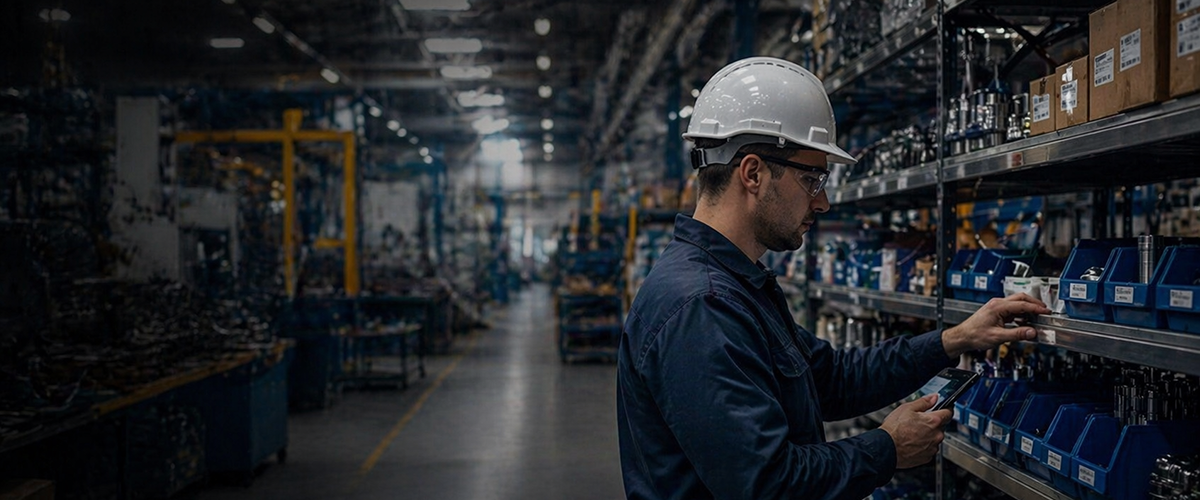
A stock-out happens when a business runs out of the materials, tools, or supplies needed to keep operations moving. In manufacturing, this can be especially costly because production often depends on having the right parts available at exactly the right time.
Unlike retail, where a stock-out may mean a lost sale, in manufacturing it can mean an entire production line slowing down—or stopping completely.
The Hidden Costs Most Companies Overlook
Many manufacturers only figure out the direct cost of replacing their inventory. But the real cost of running out of stock goes much deeper.
1. Time Off from Production
When workers stop working because they don't have what they need, they still have to be paid for their time, but their productivity goes down. A missing cutting insert, drill bit, or safety glove can even make a whole shift late.
Downtime has an effect on:
- How well workers do their jobs
- Use of equipment
- Schedules for production
- Pledges to deliver to customers
A one-hour delay can quickly cost thousands of dollars in lost work.

2. Costs of Buying in an Emergency
Businesses often panic-buy when they don't keep an eye on their inventory.
This usually means:
- Fees for fast shipping
- Higher prices from other suppliers
- Orders that weren't planned
- Extra pay for receiving and restocking
These "quick fixes" cost a lot more than the planned restocking.
3. Excess Administrative Time
How long does your team look for missing items?
Purchasing managers, supervisors, and production staff often waste too much time manually checking shelves, emailing suppliers, and finding supplies. This extra cost of labor adds up quickly.
Your team is stuck dealing with shortages instead of focusing on making strategic improvements.
4. Delays for Customers and Damage to Reputation
Customers are unhappy when their orders are late. If you continue to be late, you could lose contracts, damage trust, and get a bad reputation for being unreliable.
Customers expect consistency in competitive industries. A stock-out that could have been avoided can quickly turn into a problem for keeping customers.
5. Overstocking from Fear
Ironically, many companies respond to stock-outs by buying too much inventory.
This creates a different problem:
- Excess carrying costs
- Wasted storage space
- Obsolete inventory
- Tied-up cash flow
Without proper visibility, businesses often swing between shortages and overstock, and both of these hurt profitability.
Smarter Inventory Management Solutions
The best way to prevent stock-outs isn't to buy extra but to improve inventory visibility and control.
That's where vendor managed inventory (VMI) programs make a major difference.
Weekly On-Site Inventory Management
For many customers, the simplest solution is also the most effective: regular weekly visits.
A dedicated inventory partner comes on-site, physically counts inventory, tracks usage, and ensures replenishment happens before shortages occur. Sometimes this entails advanced systems, and sometimes it’s as simple as managing inventory with a spreadsheet and a disciplined process.
The goal is the same: make sure your team never runs out of what they need.
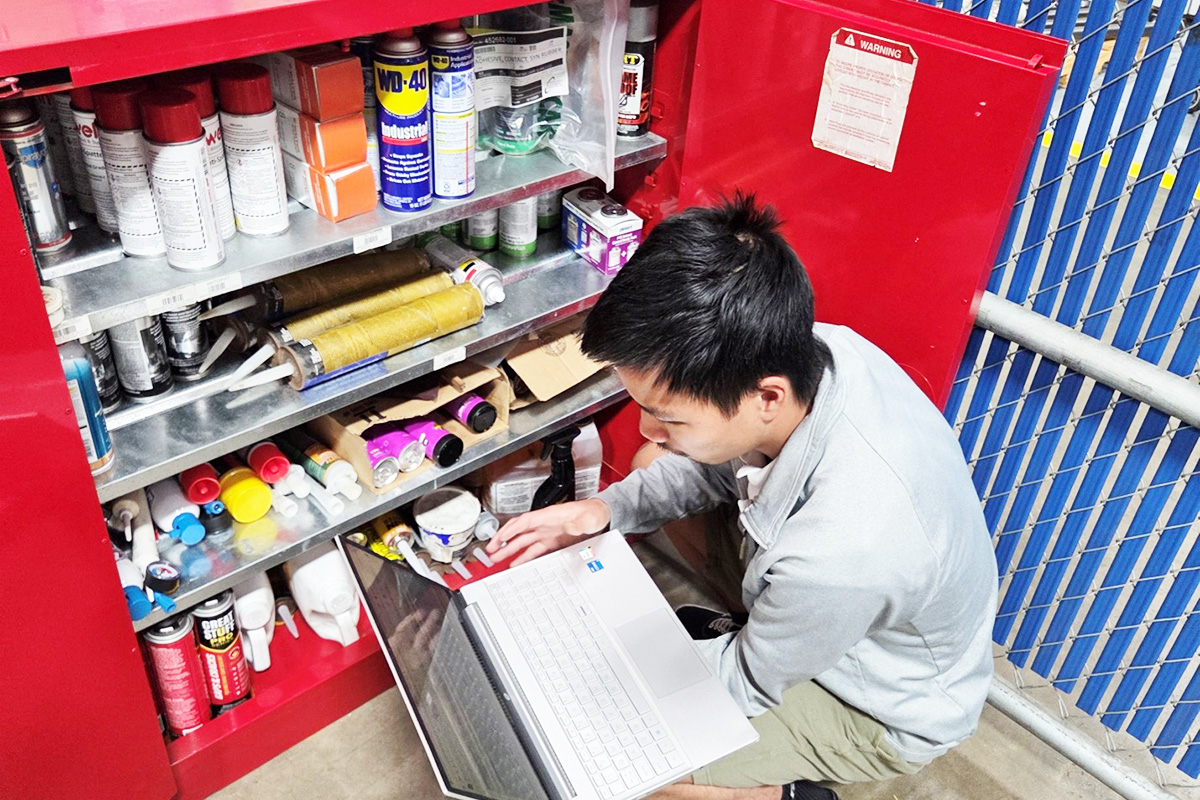
This approach works especially well for:
- MRO supplies
- PPE
- Fasteners
- Shop consumables
- Production support items
It removes the burden from internal staff and creates reliable accountability.
Inventory Vending Machines
Vending solutions give you even more control over operations with high volume.
Manufacturers can see how much of their inventory is being used in real time through secure vending machines like CribMaster and Securastock.
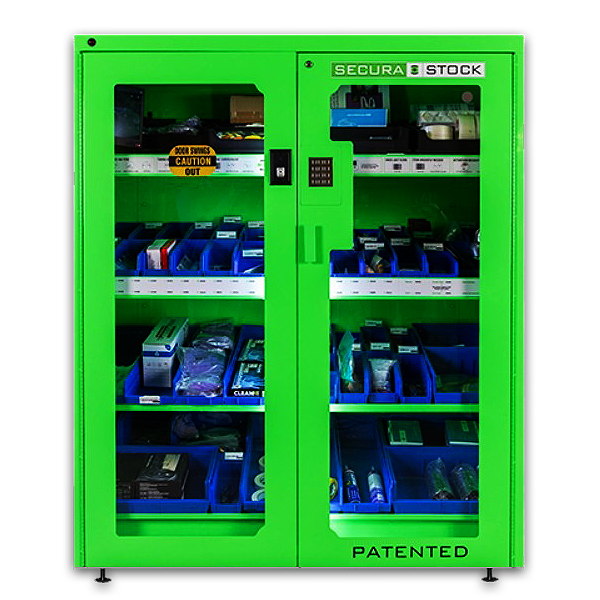
Some benefits are:
- Controlled access 24 hours a day, seven days a week
- Tracking how employees use it
- Less waste and shrinkage
- Alerts for automatic restocking
- Better reporting and predicting
Companies can see exactly how supplies are being used and how much they cost, so they don't have to wonder where they went.
Just-in-Time Inventory Delivery
Some manufacturers benefit from outsourcing all inventory storage.
Rather than filling valuable floor space with backup stock, inventory can be stored off-site in a supplier’s warehouse and delivered on a just-in-time basis.
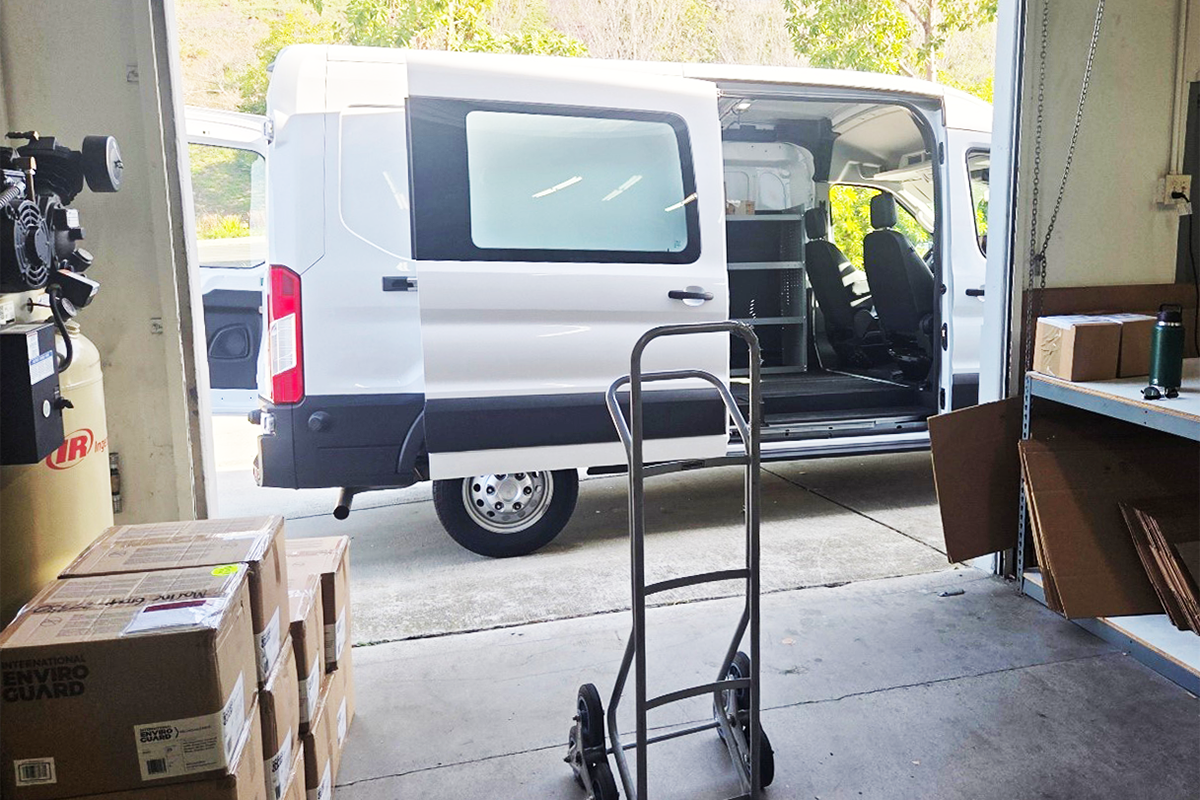
This model helps reduce:
- On-site storage requirements
- Carrying costs
- Overstock risk
- Purchasing inefficiencies
At the same time, it improves responsiveness and ensures critical supplies are always available when needed.
The Real ROI of Inventory Control
Inventory management is often viewed as a cost center, but in reality, it’s a profit protection strategy.
When stock-outs disappear, companies gain:
- Higher productivity
- Better labor efficiency
- Improved customer satisfaction
- Stronger cash flow
- Reduced purchasing costs
- Greater operational confidence
The return is not just financial—it’s operational peace of mind.
Final Thoughts
Stock-outs rarely appear as a single line item on a financial report, yet they affect nearly every aspect of manufacturing performance.
The companies that win are the ones that stop reacting and start controlling inventory proactively.
Whether that means weekly on-site counts, vending machine solutions through providers like CribMaster and Securastock, or just-in-time warehouse delivery programs, the right system can eliminate hidden costs before they become expensive problems.
Because in manufacturing, the cheapest inventory problem is the one that never happens.

International Industrial Supply is a San Diego, California based MRO distributor specializing in pneumatic tools and indirect materials used in manufacturing environments.
Curious to see what working together would look like? Schedule a no-obligation consultation to get a proposal for a custom tailored inventory management program for your plant.
Contact us - info@intlairtool.com or (442) 515-3765